Category: Fitness, Health, Happiness

  • 12 Superfoods to Add to Your Diet

    12 Superfoods to Add to Your Diet

    a greener kitchen


    Eat food.
    Not too much.
    Mostly plants.

    -Michael Pollan,
    In Defense of Food: An Eater’s Manifesto


    So, when I’m not writing here or at Family Fun Delaware or the occasional freelance gig, I’m very very busy community managing over at FitFluential. One of my duties there is editing and posting to the website’s blog.

    I recently wrote up a recap of one of our #livewellnow Twitter chats about superfoods, and thought my readers here might appreciate that info too.

    Now, clearly I’m going to argue in favor of organic and local sources for these superfoods, but the bottom line is this: superfoods are whole foods that are nutritional powerhouses. If you can’t afford organic or find local? Then go right ahead and buy conventional. They will still do your body good.


    Maximize Your Diet with Superfoods: #livewellNOW

    We recently co-hosted a Twitter chat with @CoachsOats about superfoods: foods that are nutrient-dense or offer extra health benefits. Generally low in calories, these foods pack a supersized wellness wallop into every bite.

    With only an hour to dedicate to the topic, we restricted ourselves to foods that are mostly familiar, readily available wherever you live, not prohibitively expensive, and not so exotic as to be totally refused by the picky eater in your family. But, if your tastebuds are ready to take it to the next level, you might want to check out foods like açaí, Goji berries, Noni fruit, marine phytoplankton and cacao!


    Supercharge your diet with these superfoods!


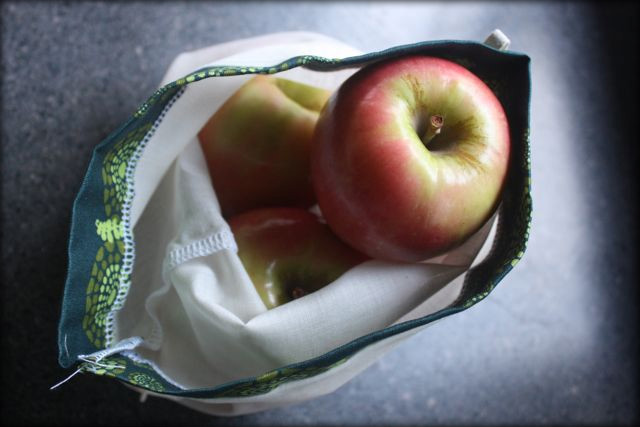
    Apples

    There are tons of varieties of apples (over 7500 worldwide!) spanning from sweet to tart, to suit every taste. They’re available year-round and a really inexpensive healthy snack while in season. Apples are full of antioxidants and cholesterol-fighting fiber, and eating one takes care of 25% of your daily dose of vitamin C.

    Avocados

    Avocados are full of fiber and good stuff like folate, potassium, vitamin E, and magnesium. They also contain a healthy dose of monounsaturated fat, which decreases total and LDL cholesterol and improves the “good” HDL cholesterol.

    Blueberries

    One serving of blueberries contains as many antioxidants as five servings of other fruits. They contain polyphenols to fight free radicals, reputedly guarding against wrinkles and other signs of aging. Blueberries are also anti-inflammatory, which can help safeguard against a host of diseases.

    Buckwheat

    Although not actually a grain, buckwheat can be used like one, and is better for you than rice, wheat or corn. Gluten-free, buckwheat contains protein and amino acids that boost the protein content of beans and cereals. It’s a good source of fiber and vitamin B6.

    Chia

    This one may be new to some, but if you follow the #FitFluential hashtag on Twitter you know we’re all about the chia. These seeds do more than create amusing plant sculptures for your kitchen window! Chia seeds are a complete protein, full of fiber and antioxidants, and a good source of omega 3s; they also contain healthy levels of B vitamins, iron, calcium, zinc and anti-inflammatory flavonoids. Mixed with a liquid, chia expands into a gel. You can cook with this gel like you would an egg, mix it into drinks, make it into pudding, etc. Or, even easier, you can sprinkle chia seeds onto your food– they have virtually no taste and add a bit of crunch. Find out more about chia here.

    Eggs

    Eggs are little powerhouses; one of the most nutrient-dense foods out there. Low in calories, they are high in protein, antioxidants, vitamins A, B2, B5 and B12, choline, and vitamin D (filling your daily requirement of vitamin D with just one egg). Eggs contain the most essential amino acids of all the protein foods. Make sure to eat the yolk! That’s where most of the nutrition is. Katie guest-posted some great egg recipes earlier this month.

    Kale

    All your dark leafy greens are nutrient-rich. One serving of kale (one cup) contains about 36 calories and meets your daily requirement of Vitamin A by 354% and 1328% (!) of your Vitamin K. Kale is rich in B vitamins, vitamin C, calcium, iron, and beta carotene; is anti-inflammatory, and full of fiber. Twitter chat participants overwhelmingly voted for preparing kale by sautéing with olive oil and garlic, and topping with either parmesan shavings, a squeeze of lemon, or red pepper flakes.

    Oats

    Probably best known for lowering cholesterol helping to manage diabetes, oats are low-calorie, high in protein and fiber. They take a long time to digest, leaving you feeling fuller for longer. Oats contain essential fats and zinc, calcium, magnesium and iron. Check out Coach’s Oats for tons of ideas for cooking with oats.

    Pomegranates

    Pomegranate fruits contain healthy amounts of Vitamins A, C and E as well as folic acid and antioxidants (polyphenols, tannins and anthocyanins). Studies suggest that drinking pomegranate juice may reduce blood pressure and lower LDL (bad) cholesterol.

    Quinoa

    Quinoa is another complete protein, offering all the essential amino acids. Gluten-free and packed with fiber, it’s also a good source of vitamin B2, iron, phosphorus and potassium.

    Lean steak & wild salmon

    Whether you’re trying to lose weight or maintain it, it’s important to keep up with your protein intake. Ounce for ounce, lean beef (particularly grass-fed) and wild salmon offer the best ratio of good-for-you nutrients like protein, amino acids, iron and zinc.


    The FitFluential post goes on to list 24 recipes that incorporate superfoods. Check it out but remember: probably the best way to enjoy these foods is in their natural state!


    I am always looking for good healthy recipes.

    If you’ve got one that involves a superfood, please link it up in the comments 🙂



  • Pet Obesity: How about a New Year’s Resolution for Your Dog?

    Pet Obesity: How about a New Year’s Resolution for Your Dog?

    the dogness


    Diagnosis: OVERWEIGHT.

    That’s what it says on Jimmy’s vet visit papers.

    Jimmy is 35 pounds, and the vet thinks he should be about a 30 pound dog. That means we’ve been handed the heavy responsibility of trimming 1/7th of his body weight.

    He’s not alone, you know. 54% of this country’s cats and dogs are overweight or obese, which more than anything else I see as an indicator of unhealthy practices in the home. With kids, you can blame marketing and school food, to some extent. But dogs and cats depend on their humans for food and exercise.

    There are even fat camps for dogs. Check this one out, in Morristown NJ:


    Pets are susceptible to all the weight-related issues humans are: diabetes, kidney issues, heart disease, joint pain, osteoporosis.

    And, with pets as with humans, the real issues are:

    • quantity of food eaten: treats, table scraps
    • quality of food eaten: human junk food, overly processed food, dog chow that is mostly carb rather than protein
    • exercise frequency and intensity: not getting out enough, not getting to run and play

    The thing is, we Eltons get plenty of exercise— outside the house. I go to the gym or to the basketball courts, the kids have practices and games and recess and gym class. Once at home, we’re pretty sedentary creatures, and Jimmy has always fit in perfectly. This dog, I kid you not, goes to bed (BED bed, like even if the rest of us are still up he goes to the bedroom) around 11pm, gets up briefly with Cassidy to eat whatever she leaves in her cereal bowl, then goes back to bed until about 1pm. He just doesn’t have an active nature. Walking him around the block can take 20 minutes because he is content to sniff and meander.

    He also tends to get the leftovers from meals and whatever Cass drops on the floor, which is a lot. Kid is a slob.

    We’ve recently made some moves to better dog food for him. More details on that over the next few days, but generally speaking, you should look for ingredient lists that have:

    • whole meat sources as its top ingredients, rather than corn or grain based sources.
    • no generic meats— should read beef, or chicken, or lamb, or whatever, not “meat meal”
    • no corn gluten meal, a filler commonly found in lower quality foods
    • human grade ingredients, for quality control
    • no artificial colors or preservatives
    • no sugars or sweeteners

    Note, feeding instructions are generally for the “most demanding” life stage, so we may be overfeeding by as much as 25%. And it’s not like most pet foods list calorie counts, anyway. (This website does show calorie counts for pet foods, check it out.)

    A quick internet search suggests that dogs will love green beans as a treat substitute. I cannot confirm or deny at this time, but Jimmy loved a few bites of pineapple as an after-dinner treat tonight.

    With pet food as with so many things, as a nation we’ve caved to the cult of cheap. Cheap pet food is full of non-nutritionally-sound corn fillers that are make for round little bellies. Add that to a chronic lack of exercise and we have a nation of fat cats and dogs.

    It’s not like cats and dogs can run out to the store and buy better food. Or hit the gym on their way to work. They depend on us for the quality of their lives. And the quantity: an obese dog is just not going to live as long as one that’s a healthy weight. Just the facts, ma’am.

    So, Jimmy is getting a better diet, getting kicked outside more often, and once the weather warms I’ll be taking him to the park for walks. Because frankly we’d like to keep him around for a few more years.

    If your New Year’s Resolution was to drop a few pounds, or live a healthier life, maybe a better way to achieve that (by taking the focus off YOU) is to be conscious of your pet’s health: switch to healthier staples, incorporate more real unprocessed food, exercise frequently with bursts of intensity, and play regularly.

    I’ll check in with Jimmy’s progress. You keep me up to date on yours.

    Got a pet that could stand to lose a few?

    Tell me about it. Please. I feel guilty.


  • Beginners’ Guide to Birding (The Big Year)

    Beginners’ Guide to Birding (The Big Year)

    birdwatching movie


    This post comes courtesy of the PR folks for The Big Year. I’m sharing because it’s good info, and also because I heart Steve Martin and Owen Wilson, while my children think Jack Black is the funniest man since whoever invented the whoopie cushion. We kinda can’t wait to see it.

    the big year

    Comedic Icons Steve Martin, Jack Black and Owen Wilson Star in the Hilarious Outdoor Adventure Coming to Blu-ray and DVD January 31!

    Was your New Year’s resolution a pact to yourself to get outdoors and make 2012 your Big Year? In this beginner’s guide we’ll direct you to where you can find online field guides, deals on binoculars, regional checklists and new birding buddies to go on trips with. Grab a notebook and start practicing your birdcalls and soon you will be having the biggest year ever!

    Steve Martin, Jack Black and Owen Wilson portray three men from very different walks of life, facing a mid-life crisis, a work-life crisis and a no-life crisis. In the biggest competition of their lives, they undertake an unforgettable trek through North America, engaging in hilarious and bizarre adventures and forming friendships that will last a lifetime!

    Online Field Guides

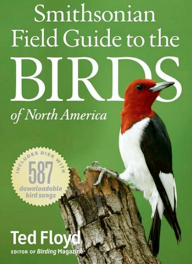
    field guide birdsMany hardcore birders like to have physical field guides that they can take with them, and many people employ the use of regional field guides, as they offer more specific advice. As you are starting your birding adventure, try using a site like www.whatbird.com, which allows you to search for species in many different ways (including by region and by appearance). What Bird also has handy apps for e-readers and smart phones, which allow you to access their immense database on the go!

    Binoculars

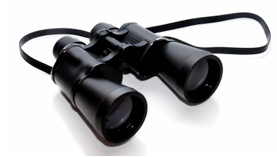
    birdwatching binocularsIf you want to get serious about birding, you need a proper pair of binoculars. When you’re searching for your first pair, you need to pay attention to seven things: magnification, objective lens size, close focus, field of view, roof vs. porro prism, eye relief, and the 3 Ws (weight, waterproof and warranty). Go to store.onlinenaturemall.com for help choosing the type of binoculars that are right for you, as well as suggestions on where to buy them for the best price.

    Regional Checklists

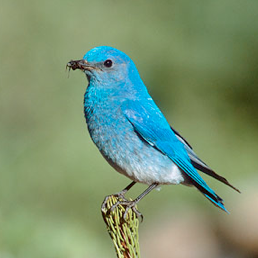
    blue birdThe best way to start birding is to observe (and learn to recognize) the birds in your own backyard! To do this, you should consult a checklist of the birds that appear in your region. One of the best sites to visit when looking for information on species in your region is www.wildbirds.com. Wild Birds has each state in a United States (as well as most of Canada) represented on their site, with comprehensive checklists, reading lists and relevant links included.

    Birding Buddies

    the big yearThe best way to find a buddy to bird with is to join different groups for birding enthusiasts. Two of the largest birding organizations in the United States are the American Birding Association and the National Audubon Society. Each of these larger, national organizations can steer you towards either region-specific sectors of their organization, or smaller birding clubs in your area. You could also use www.Meetup.com to find birders in your area, and local events or trips to take part in.


    _________________________


    Disclosure: No compensation was received for this post, just thought it was clever. A little more about the movie on Family Fun Delaware.