Category: Nature & The Great Outdoors

  • 6 Citizen Science Projects for Kids in 2016

    6 Citizen Science Projects for Kids in 2016

    cass creek

    Teaching children about the natural world
    should be seen as one of the most important events in their lives.

    -Thomas Berry

    You don’t need to be a scientist to conduct research that makes a difference. Citizen science projects allow anyone to make observations that contribute to a large body of data for scientists and researchers to analyze, without adding greatly to their research costs. It’s a great way to get kids feeling involved and empowered; enthusiastic about intellectual curiosity and the scientific method. With these six citizen science projects for kids, they’ll also learn and connect with nature and the creatures that inhabit it.

    6 Citizen Science Projects for Kids
    citizen science projects

    Penguin Watch

    You’ve probably seen posts about Penguin Watch recently. Since penguins are top predators and spent most of their life in water, changes in their populations can be indicators of changes within their Antarctic ecosystem. Penguin Watch is a strictly online project that presents you with images of penguin nesting sites, and asks you to mark adult penguins, chicks, and eggs as well as any other animals close to nests. Afterwards, you can discuss the pictures with the science team or other volunteers. It’s like a seek and find puzzle, and they’re not always easy!

    Darwin’s Dogs

    How has doggie DNA changed as they evolved from wolves to man’s best friend, and how did those genetic changes affect behavior? Finding out more about how genetic change and behavioral changes are linked might help us understand neurological diseases in dogs— and people.

    The Darwin’s Dogs project asks dog owners to complete a survey about their dogs and mail in a saliva sample so that researchers can connect DNA and personality traits. Results will be shared with participants and kids will really get to think through what makes their dog unique!

    rp_jimmy_smiling.jpg

    FrogWatch USA

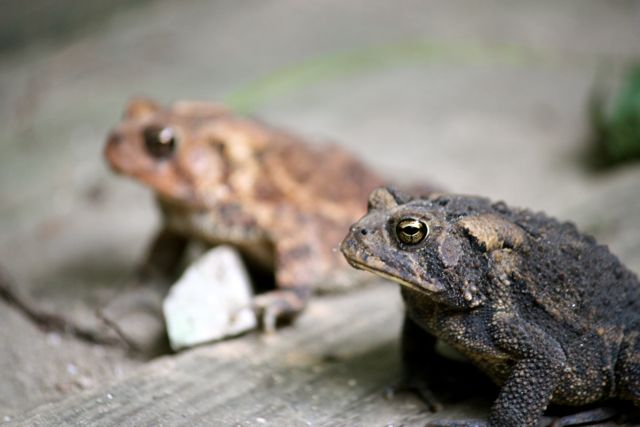
    Frogs and toads are both predators and prey. They’re very helpful for keeping insect populations under control, and for serenading us on summer nights with song. Frogs and toads are also sensitive to environmental changes, so being aware of fluctuations in their numbers can help us understand, anticipate, and fix problems within their habitat.

    Volunteers taking part in the FrogWatch USA project learn the frog and toad calls for their area— a handy skill to have, and sure to impress at parties!— and commit to listening for them for 3 minutes multiple times during breeding season. You then report your findings online.
    two toads

    Whales as Individuals

    When I was a kid, my dad “adopted” a whale for me, and I’d occasionally get a photo of that whale when it surfaced somewhere. His name was Patches. I suppose that he was among the four or five you could choose from not because whales are so very rare (they’re not ubiquitous but they’re not that rare), but because he was very distinctive and easily identifiable, with a huge white mark on his tail (fluke). Every fluke pattern is individual, like a fingerprint, and like a fingerprint it can be difficult and time intensive to suss out the minute differences between them.

    The Whales as Individuals project lets participants help with that. You make notes on images of flukes, helping to fine-tune computer algorithms so that they can better identify whales and help researchers learn about their behavior, personalities and populations, as well as pinpoint conservation concerns.

    Urban Buzz

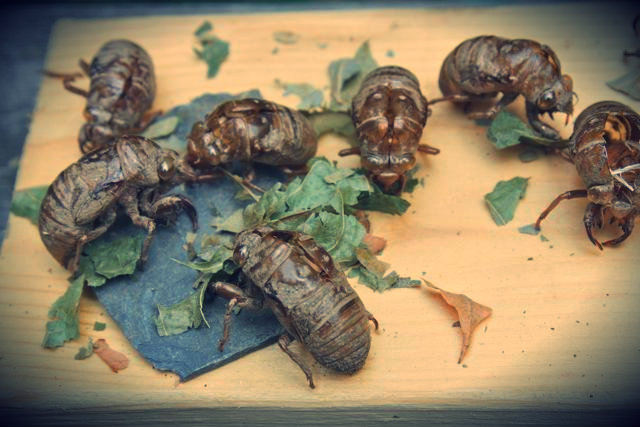
    Cicada lovers in our area are excited this year because Brood V is about to emerge and fill our summer nights with song. These bugs are sensitive to environmental changes, like temperature and creeping urbanization. You can help scientists determine how climate change and the “urban heat islands” created in cities affects cicadas by collecting a few dead specimens, filling out a data card for each one and mailing them off to the Urban Buzz team at North Carolina State University.

    (With any discarded exoskeletons, you can have a cicada party! Or, hook them on your lapel as a creepy brooch.)
    cicada skins

    BioBlitz

    At a BioBlitz, members of the community work with scientists and teachers to find and identify as many species as possible in a specific area over a short period of time, as well as get an overall count of the plants, animals, fungi, and other organisms that live there. Among other things, this helps researchers track whether species populations are declining, and whether invasive species are booming. It also helps YOU to learn about the creatures in your own backyard!

    There are over 250 BioBlitz events scheduled so far for 2016; this is a noteworthy year to take part, since it’s the National Park Service’s 100th birthday. Find an event near you or plan your own.


    Need more citizen science in your life?

    Here are 14 more citizen science projects to try. Yay for raising kid naturalists!
     

    citizen science for kids

    Pin it for later!


  • Sustainable Tuna: For Our Health and the Health of Our Oceans

    Sustainable Tuna: For Our Health and the Health of Our Oceans

    gulls on beach jetty

    The sea, the great unifier, is man’s only hope.
    Now, as never before, the old phrase has a literal meaning:

    we are all in the same boat.

    — Jacques Cousteau

    My interest in environmentalism and sustainability began like it did for a lot of people in the 80s and 90s: the movement to save the dolphins. I was a card carrying Greenpeace member, very vocal and emphatic and in awe of these big, playful, social, intelligent creatures.

    Whenever I’d get really wound up, my dad would always say, “won’t anyone THINK OF THE TUNA?” He was being silly, but that didn’t make him any less right. (In retrospect, that statement was true for a LOT of things my dad said.)

    While it was and still is important to fight for the dolphins, whose numbers were dwindling as they were trapped in undiscriminating tuna nets (purse seine nets), we also need to think of the tuna. They might not be as cute and cool as dolphins, but they and all of the other creatures of the sea are part of a delicate ecosystem; decimating any one part hurts all the others, and harming our oceans harms our land and our health as a species.

    woman on beach

    When one tugs at a single thing in nature,
    he finds it attached to the rest of the world.

    —John Muir

    Tuna is an important food for our health; it’s a lean protein, full of B vitamins,  and an easily bio-accessible source of essential omega-3 fatty acids, which are great for our brains and our hearts. Unfortunately tuna can also be a source of mercury, thanks to the state of our oceans, and in danger of being overfished out of existence, especially as more and more people turn to fish as an alternate meat source.

    Sustainability when it comes to tuna requires a multi-faceted approach:

    • protecting habitat by taking measures to keep our oceans clean,
    • putting fishing practices into place that ensure tuna populations remain strong for future yields,
    • while not endangering other species through bycatch.

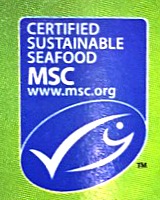
    When purchasing sustainable canned tuna, making your choice is actually pretty easy. You’ll want to look for the blue Marine Stewardship Council (MSC) label: this indicates your fish has been responsibly caught by a certified sustainable fishery. These fish are caught at levels that “allow fish populations and the ecosystems on which they depend to remain healthy and productive for the future” (emphasis is mine). From ocean to plate, this fish is kept separate from non-certified stock and can be traced back to its source, so you can rest assured it’s labeled correctly: you know exactly what you’re getting.
    (By comparison, no matter where your chicken was raised, it’s likely processed alongside other chickens, and therefore susceptible to contamination. In the event of contamination, it can very difficult to determine where the problem started.)

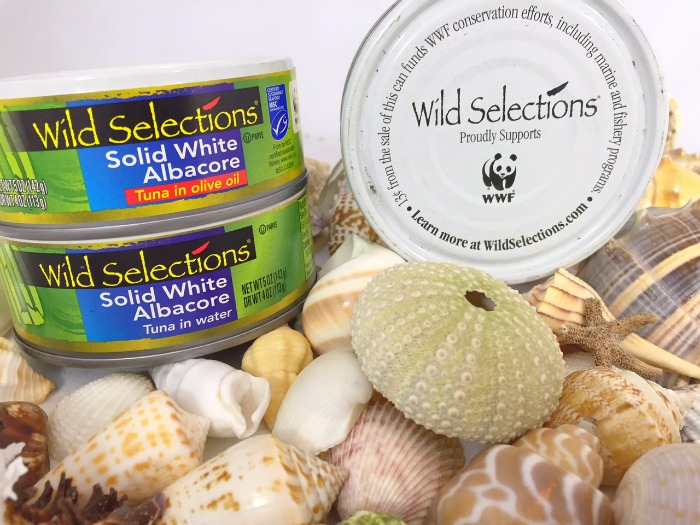
    Now I’m going to make things even easier! The only brand that is a full line of Marine Stewardship Council (MSC) certified sustainable seafood is Wild Selections®. This brand really is working hard to ensure a healthier planet and “fish-full” future.

    wild selections sustainable tuna

    • Wild Selections gives back to the oceans by donating 13 cents from every can sold (a total of $1 million by 2018) to World Wildlife Fund marine conservation and fishery improvement projects.
    • They bear the blue MSC eco-label, letting you know the fish in your can comes from well managed fisheries and healthy fish stocks.
    • Their tuna is premium quality, sustainably sourced and 100% traceable; you can actually enter the code on your can at WildSelections.com to learn where the fish inside was caught.
    • They use simple, all natural ingredients; Wild Selections tuna is Non-GMO Project verified and delicious.

    So, save the dolphins, but save the tuna too. You can check the store locator to see who carries Wild Selections near you; I was able to pick mine up at my usual grocery store (Giant). Check out the Wild Selections® You Tube channel for videos to learn about the Wild Selections difference, their partnership with World Wildlife Fund and the Marine Stewardship Council certification.

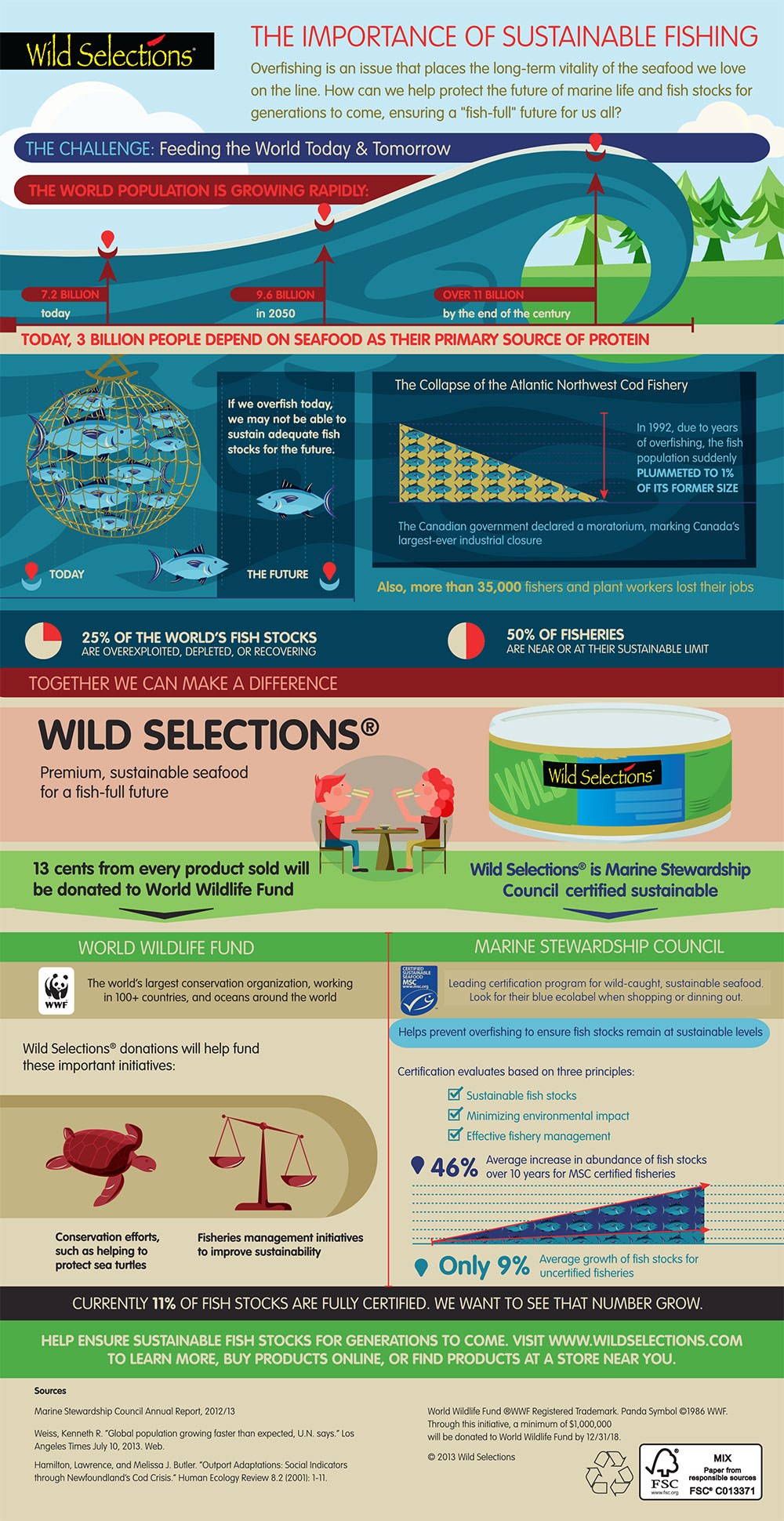
    And for more about the importance of sustainable fishing— some of the numbers are mindblowing— and how Wild Selections is helping to ensure healthy seafood is around for future generations, feast your eyes on the infographic below 🙂 You can make it full-page for easier reading by clicking on it.

    We must plant the sea and herd its animals
    using the sea as farmers instead of hunters.

    That is what civilization is all about—
    farming replacing hunting.

    Jacques Cousteau, Oceanographer

    wild_selections_infographic

    I was selected for this opportunity as a member of Clever Girls and the content and opinions expressed here are all my own.


  • 5 Ways to Support National Parks

    5 Ways to Support National Parks

    Depositphotos_47711657_m-2015

    Happy 100th birthday National Park Service! This year the National Park Service is celebrating a century as the caretaker of the national parks, and welcoming the next generation of visitors and supporters to play an active role in stewardship of America’s most treasured places. Community members are invited to join the Find Your Park movement by taking a hands-on role in park conservation and preservation. There are a lot of great ways to get involved, with activities suited to a range of interests.

    5 ways to get involved with National Parks:

    1. Join the VIPs.

    The National Park Service’s Volunteers In Parks (VIP) program engages over 444,000 citizens who donate over 7.9 million hours, which is the equivalent to more than 3,700 additional employees. Thousands of Volunteers help maintain trails, provide visitor services, lead guided nature walks and historic tours, support preservation initiatives, and deliver education programs to youth and school groups. With more than 400 parks in all 50 U.S. states, the engagement opportunities available are as diverse as the parks themselves.

    2. Become a Citizen Scientist

    Ever dream of discovering a new species? Here is your chance! The parks’ Biodiversity Discovery program has revealed amazing things, and is not just scientists who make these discoveries. Volunteers and students have collected plants and animals that turn out to be rare, new to a park, and sometimes new to science. In 2016, you can join one of more than a 100 National Geographic Society BioBlitz events to help park staff and scientists catalog biodiversity in your local national park. The National Park Service reports that to date, more than 114 national parks and 30,000 people have engaged in this annual BioDiscovery effort, and more than 18,000 species new to parks have been identified.

    3. Leave No Trace

    Volunteers help maintain 18,000 miles of trails in national parks. If you’re planning to get out and find your park this year, help keep the parks as beautiful and litter free. Go the extra mile by bringing your own garbage bag to pick up any trash you might see along the way! And remember, there are at least 247 species of threatened or endangered plants and animals found in national parks, and you can help protect them by keeping food stores secure and not disturbing the plants, animals and historic artifacts that live there.

    4. Be an Artist in Residence

    Artists have created art in national parks since the late 19th century. Today, the sights and sounds in national parks continue to inspire artists in more than 50 residency programs across the country. There are programs for visual artists, writers, musicians, and other creative media. Programs vary, but residencies are typically 2 to 4 weeks in length and most include lodging. Often artists are invited to participate in park programs by sharing their art with the public.

    5. Try Virtual Volunteering

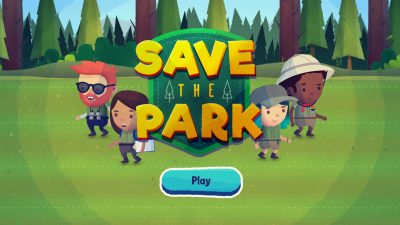
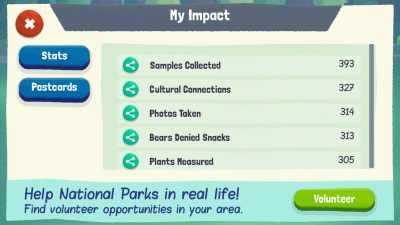
    In the new, free mobile iOS game – Save the Park – you can virtually experience the types of activities and impacts volunteers have in parks. Play all four volunteer characters – Environment Champion, Wildlife Lover, Citizen Scientist and Culture Concierge – across three park environments. And for each download of Save the Park occurring this year, American Express will donate $1 (up to $50,000) to support the National Park Foundation’s conservation and stewardship programs.


    G4C - Save the Park - Image 1

    G4C - Save the Park - Image 5


    This post was contributed through American Express; I was not compensated in any way, just thought it was pretty cool and wanted to share for National Park Week!

    Photo credit: Depositphoto