Blog

  • #GIFtATree in 5 Seconds: Create a GIF or Send a Tweet

    #GIFtATree in 5 Seconds: Create a GIF or Send a Tweet

    treehugger

    The clearest way into the Universe is through a forest wilderness.

    —John Muir

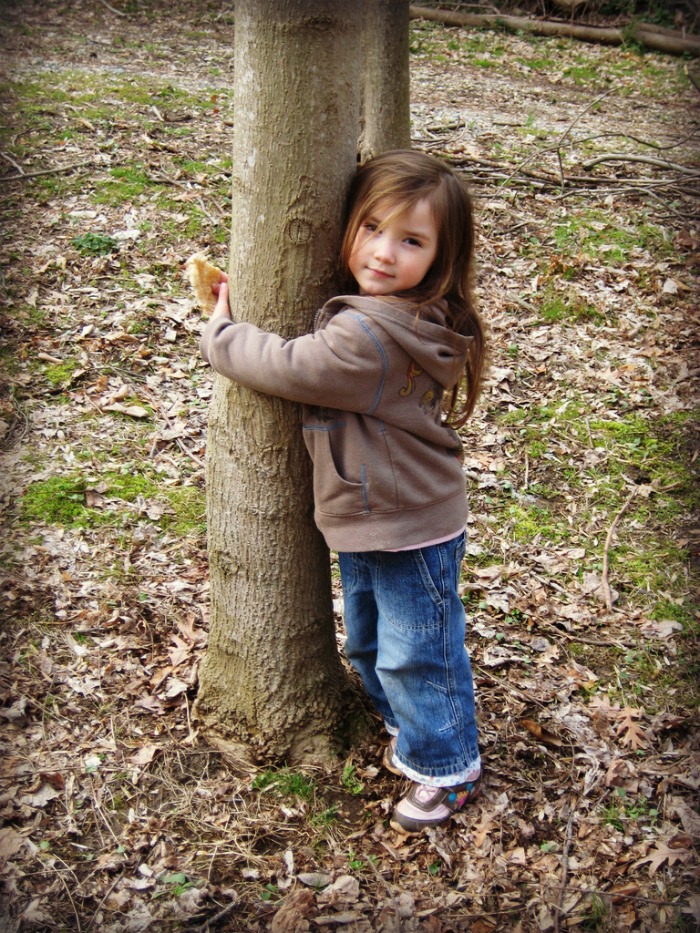
    This treehugging photo is from the first post I published on this site, in 2008. Cass still pretty much looks exactly like this, and while she’s not really compelled to give them spontaneous displays of affection anymore, we’re still treehuggers at heart.

    That’s why we love the #GIFtATree holiday campaign from NBCUniversal and the Arbor Day Foundation. During the month of December, if you create and share a holiday GIF from greenisuniversal.com, or send a tweet using #GIFtATree, a tree will be planted in a state park or national forest— up to 25,000 trees!

    The GIFs are very cute and are animated; creating them would be a fun activity for kids, especially over winter break. Every time you share one a tree is gifted, not just once. 

    I made one during the Rockefeller tree lighting special in NYC, and Cass made one a little bit later, and I was quite a bit delighted to find she’d made the exact same one I had.
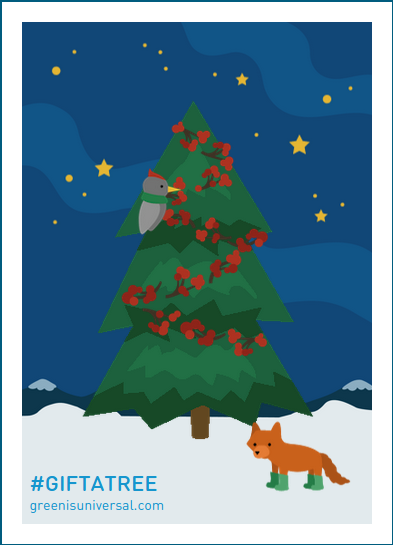
    #GiftATreenot animated bc I couldn’t quickly figure out how to put that here and dinner’s almost ready


    Every tweet you send out that includes #GIFtATree counts as a tree gifted, too. What an easy way to make a difference: after all, just one large tree can provide a day’s supply of oxygen for up to four people. Over the course of a year, just one mature tree will absorb more than 48 pounds of carbon dioxide from the atmosphere, releasing oxygen in exchange.
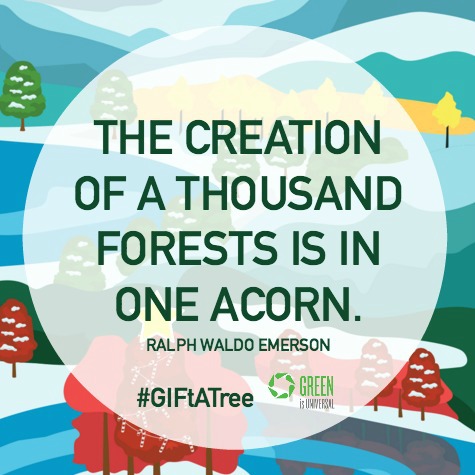
    thousand forests one acorn Ralph Waldo Emerson


    There are many practical reasons to protect existing trees and plant new ones:

    • Trees help clean our air and water
    • Trees improve our mental and physical health
    • Trees help to fight climate change
    • The cooling effect of trees saves energy
    • Trees provide habitat essential for wildlife

    Trees are so important to our ongoing physical existence, and we’ve come to think of them in ways that correlate to our emotional existence. Trees are dependable; they stay in one place. Like trees, we aim to lay down firm roots in the earth, but lift our arms and faces to the sky. We strive to grow strong like tree trunks yet flexible like branches in a storm. We try to breathe in the bad and breathe out the good. And when we are tired, broken down, we remain resilient, confident that the next season will come and we will once again be bursting with energy and new growth, like trees in spring.
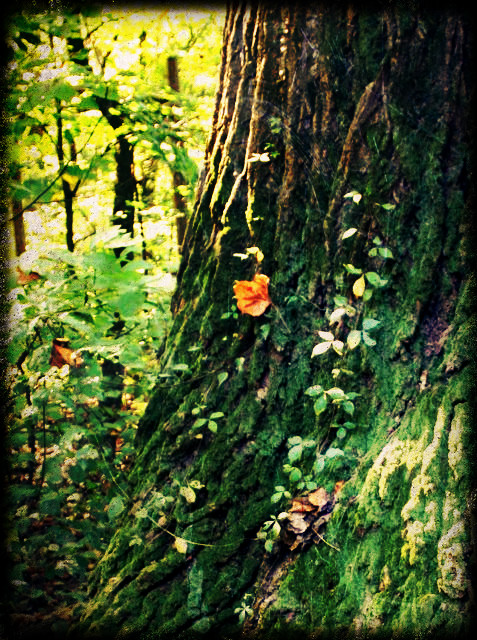
    mossy tree

    Most importantly, trees are promises. Trees are potential.

    Inside a tiny acorn lies majesty that can weather a thousand storms.

    Go on, make yourself a pretty little card and feel good about your role planting a tree. Or three. Or three dozen!

    (And while you’re thinking about all this tree related goodness, pin this list of ways to repurpose or recycle your Christmas tree for later.)

     

  • The Importance of Creating Sustainable Communities: Infographic

    The Importance of Creating Sustainable Communities: Infographic

    Today, November 30th, presidents and leaders from countries all across the world will gather for the Paris United Nations Climate Change Conference. The purpose of this conference is to bring together some of the world’s most powerful individuals to discuss ways to develop more sustainable communities, regions, and nations. To help bring awareness for this conference, I wanted to share with you this infographic, created by Norwich University’s Online Master’s in Public Administration, which highlights the importance of creating sustainable communities. For more information, check out the full infographic below!

    public works

  • Giant Squirrel Back in Business: the Recovery of the Delmarva Fox Squirrel

    Giant Squirrel Back in Business: the Recovery of the Delmarva Fox Squirrel

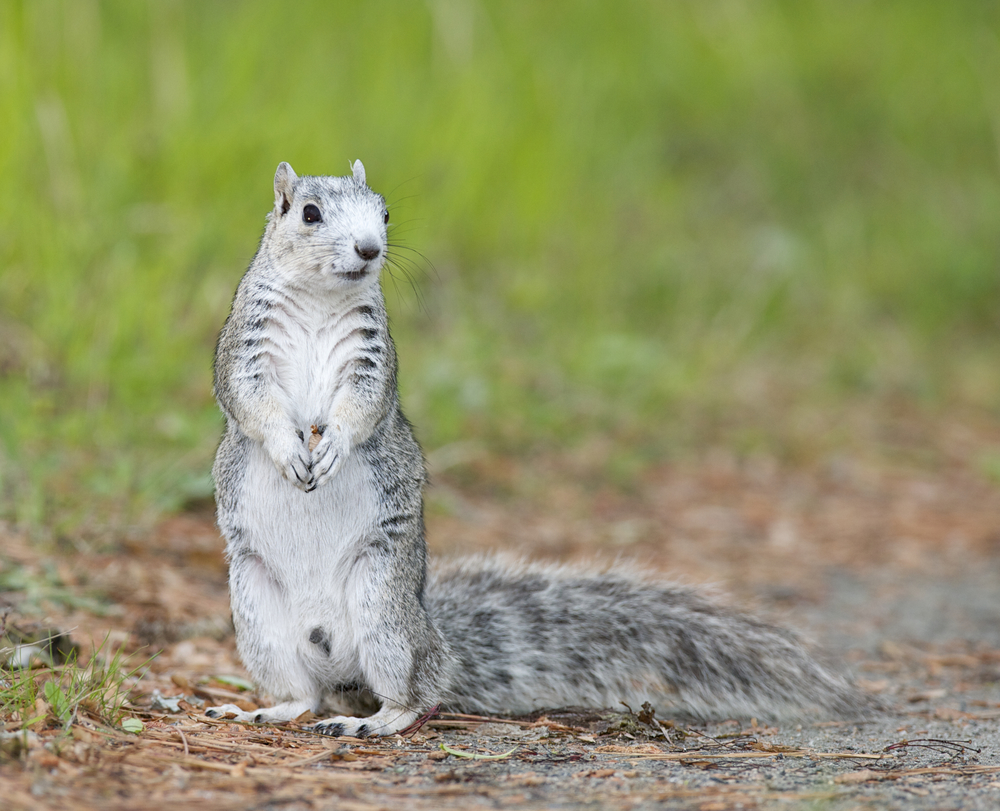
    Delmarva Fox Squirrel

    The worst thing that will probably happen—in fact is already well underway—is not energy depletion, economic collapse, conventional war, or the expansion of totalitarian governments. As terrible as these catastrophes would be for us, they can be repaired in a few generations.

    The one process now going on that will take millions of years to correct is loss of genetic and species diversity by the destruction of natural habitats.

    This is the folly our descendants are least likely to forgive us.

    — E.O. Wilson

    A local squirrel I’ve never heard of, the Delmarva fox squirrel, is being removed from the Endangered Species list!

    The Delmarva fox squirrel was one of the animals included on the first Endangered Species list of protected animals— it actually came under federal protection six years before the Endangered Species Act became law. That was in 1967, and it’s taken 50 years for the squirrel to make enough of a recovery to be de-listed. In fact, it’s not even included in my Audubon Society Field Guide to North American Mammals; presumably no one expected I would ever see one (granted, my edition was published in 1980).

    In 1967, the Delmarva fox squirrel had lost all but 10% of its range due to overhunting and loss of habitat; that’s been increased to 28%. Today, an estimated 20,000 squirrels can be found ranging over 10 counties.

    It’s worth noting that 80% of that range is on private land, and a good bit of the remainder consists of wildlife refuge areas. It takes a village— or, rather, a bunch of people who are willing to share their own habitat with local wildlife.

    The Delmarva fox squirrel can grow up to 30 inches and are typically silvery-gray but coloring can vary to nearly black. The squirrel we’re used to seeing around here, the gray squirrel, is more chatty and smaller, with a narrower tail and more brownish coloring. Delmarva fox squirrels also spend more time on the ground, not jumping from tree limb to tree limb like the insane attention seeking squirrels in my backyard.


    Local folks can go look for a Delmarva fox squirrel at Prime Hook National Wildlife Refuge in Sussex County, at Blackwater in Dorchester County, Maryland) and at Chincoteague. Eagle eyes might spot one in wooded areas within that range, but they don’t tend to wander into more populated areas like its gray cousin.

    More than 30 species have been delisted since the Endangered Species Act began, including the bald eagle, American alligator and peregrine falcon. Every animal plays a valuable role in their ecosystem and food chain, and we can’t fully realize the consequences of their removal until it’s too late.

    The best ways we can help:

    • learning about endangered species
    • donating to conservation efforts
    • volunteering at state parks and wildlife refuges
    • cultivating gardens and wild spaces that support local flora and fauna,
    • inspiring our friends and neighbors to do the same.

    Few problems are less recognized, but more important than,
    the accelerating disappearance of the earth’s biological resources.

    In pushing other species to extinction,
    humanity is busy sawing off the limb on which it is perched.

    — Paul R. Ehrlich


    Photo credit Depositphotos