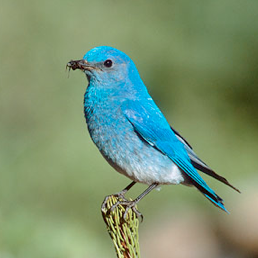
“Pan, who and what art thou?” he cried huskily.
“I’m youth, I’m joy,” Peter answered at a venture,
“I’m a little bird that has broken out of the egg.”
―J.M. Barrie, Peter Pan
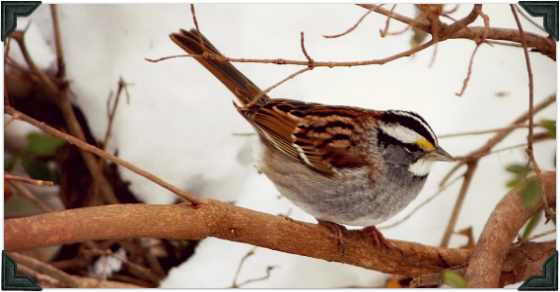
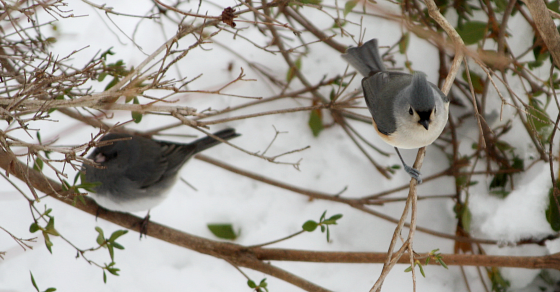
We love our birds here, and even those who were reluctant at first were won over by their cheerful, bullying ways. We’ve been careful to make sure we set out seed and suet during the many, many, many days of ridiculous weather and unusual cold this winter has thrown at us (and when I say we, I mostly mean Jeff, who is better at remembering things than I am these days).
While setting out seed is helpful for our feathered friends, who are warm blooded and need the nutrients to keep warm during a time of year where their usual sources of food are not readily available, there are lots of other ways to offer a helping hand all year round.
7 Easy Ways to Protect Bird Populations
Keep Birds Safe from Cats
A 2013 study estimated cats kill 1.3 to 4.0 billion birds every year, making them likely to be the biggest threat to bird mortality. Most of those are probably due to stray and feral felines, not well-fed housecats, but I know at least one of my cats has found the occasional bird an irresistible temptation.
- Keep your cats indoors as much as possible. If you have a cat that just is miserable unless it can free-range a bit, a bell on a sparkly collar can help alert birds to his presence.
- Situate feeders and birdhouses in places a cat can’t get to. Height isn’t quite enough; baby birds will be on the ground beneath while fledging so keep that in mind.
- Make sure birdhouse tops are secure. Cats can climb better than you think and the last thing you want to see is it scooping its paw into the top of your birdhouse, helping herself to the baby bird feast inside. (Don’t ask how I know.)
- Take strays to a no-kill shelter rather than just giving food. Donate to no-kill shelters so they can continue to house cats waiting adoption and offer low-cost neutering. And it goes without saying, spay and neuter your own cats.
Birdproof your windows
Window collisions are probably the second most dangerous threat to birds, killing 365-988 million in the US each year. Low-rise buildings (56%) and residences (44%) are much more of a problem than skyscrapers (only 1%). This one is a pretty easy fix:
- Don’t put feeders directly outside a window.
- If you have sliding glass doors or windows that you know are collision threats, invest in some specially-made window decals
. They are fairly unobtrusive to our view, but when placed on the outside noticeable reflect UV light.
- Or, a DIY tape pattern will work too, according to the American Bird Association. “Most birds will avoid windows with vertical stripes spaced four inches apart, or horizontal stripes spaced two inches apart.”
Provide shelter
Trees are bare in winter, so they’re not doing much to keep birds warm through long nights with bonechilling winds. So while shelter is definitely a year-round concern for birds, it’s especially nice to aid them during the cold months.
- Leave a brush pile of fallen branches. An easy way to start a brush pile is to just hang onto your Christmas tree; bonus points if you hang some suet and birdseed “ornaments” on.
- Hang birdhouses in areas that are shielded from high winds.
- Clean out birdhouses at the end of nesting season. This will help new bird tenants stay healthy, and make it easier for them to move in.
- Grow shrubs and other nest-friendly foliage.
Don’t use pesticides
Pesticides poison insects. Birds eat insects. Whether they’re affected directly (by being poisoned by the chemical itself) or indirectly (by ingesting poisoned insects, or by a depleted insect food supply), common sense suggests pesticides are not bird-friendly.
- This one seems like a no-brainer to me. Skip the pesticides. Encourage more birds (and bats) in your area for natural pest control.
Go native
Cultivating plants native to your area means less maintenance for you, as they are already acclimated to your weather, soil, etc. It also means encouraging insects your neighborhood birds and wildlife have evolved to eat. By contrast, exotic plantings need lots of care and cultivate the foreign insects that traveled with them. This is how we get explosive, damaging insect populations like the stinkbug: they have no local natural predators.
- Hummingbirds like bell-shaped flowers; insect-eaters and cardinals especially depend on berry-forming trees and bushes in winter.
- I love the book Bringing Nature Home: How You Can Sustain Wildlife with Native Plants
for learning more about the relationship between natives and wildlife.
Yes, food and water
As the world around us becomes increasingly more urban, birds have to fly farther to find the food and water they need to stay alive. It’s easy to create a habitat that can become a bird’s oasis. Just keep in mind that if you start, they will come to depend on you as a reliable source; don’t let them down.
- Water can be hard to come by during times of freezing cold and times of draught. Do your best to keep bird baths clean and unfrozen. I highly suggest something like this Water Wiggler
in bird baths; they keep the water moving and the mosquito population down.
- Offer food in a variety of ways. Some birds like hanging feeders; some like to feed from the ground. Some forage for insects in dead wood and in leaf piles. Some love flowers and their seeds.
- You get what you pay for in feeder seed. Cheaper bags of seed have lots of filler that will be wasted as birds root through it looking for the good stuff. We mostly stick with suet and black sunflower seed, which seems to be a crowd pleaser, and additional specialty feeders for the hummingbirds in the spring and summer.
Educate.
You care for what you know. It’s easy to let the sounds and creatures of nature fade into the background of our noisy, busy lives.
- Take the time to point out different species of birds, their calls and identifiers, to those who don’t know them— especially kids. There’s lots of birds. It takes a discerning eye to realize there are fewer jays than we had as kids, an ear that is accustomed to the every day chatter of neighborhood birds to notice when something extraordinary has come to call.
- Share these tips with neighbors and encourage them to create welcoming spaces for birds in their own backyards, so we can weave a tapestry of safe havens within our cities.
It’s a little bit of hassle that is totally worth it, to know you’re able to share in bird survival and bring them closer to your own world.
What would life be like without birds? Not waking to crows cawing? Without seeing a flash of color dart from treetops? I don’t want to find out. Do you?
What did I miss? Any other ways you support your local birds?
*Disclosure: Product links are Amazon affiliate links, which means if you click through and make a purchase I will receive a small affiliate fee.*