Blog

  • Gardening for Bees

    Gardening for Bees

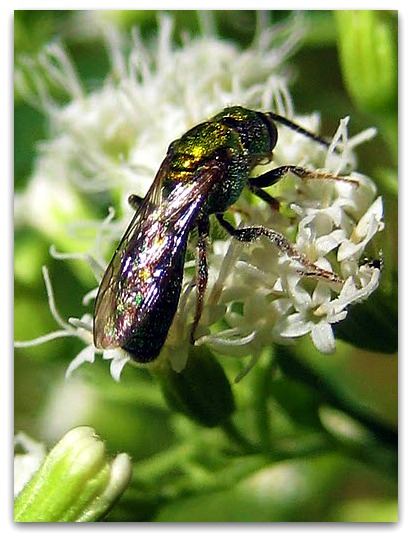
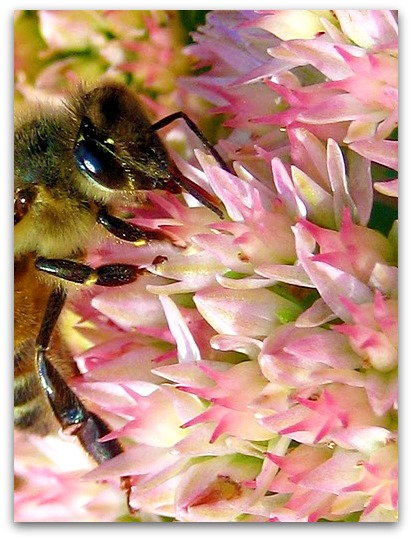
    bee on flower

    The busy bee has no time for sorrow.
    -William Blake

    According to the United Nations Environment Programme (UNEP), 100 crop species supply 90 percent of the world’s food, and bees pollinate more than 70 percent of those crops.

    As global population continues to grow, more pollinating bees are needed to feed more people.

    In 2006, beekeepers began reporting widespread losses of their honeybee hives: from 30-90%. Scientists are still not certain as to the cause of this bee die-off, dubbed Colony Collapse Disorder (CCD), but a report released last week by the UNEP indicates the scale is worldwide and ongoing. Until a cause and remedy for Colony Collapse Disorder is found, we need to actively work to preserve and bolster our bee populations.


    Fight Bee Decline with a Bee Garden


    Plant native flowers.

    Natives help feed your native bees; they have uniquely co-adapted over long periods of time to fit their needs. Supporting native bees acts as a “bee insurance” in the event we don’t solve the mystery of Colony Collapse Disorder soon. (If you’re in the DE/ PA/ NJ region, this is an excellent guide to our native plants.)

    Skip double flowers & hybrids.

    Doubles make it harder for bees to access the pollen; hybrids generally don’t produce much pollen for collecting. Basically, stay away from those really fancy, showy flowers.

    Allow for nesting and burrowing.

    This means leaving part of your yard uncultivated or “untidy.” If you’re not into that, maybe consider this super-pretty Bee Station.


    Don’t use chemical pesticides or fertilizers.

    Those aren’t good for bees, butterflies, ladybugs, or the birds & small mammals that depend on bugs for food. They’re also not great for small kids or pets, or tracking onto your carpets. Just don’t.

    Buy local honey.

    Help support local beekeepers in their bee conservation efforts. LocalHarvest has a list of honey suppliers searchable by zip code in their online store, or check your local co-op or farmer’s market. We buy from a very nice man who lives less than a mile away, and our co-op has Pine Barren wildflower honey which I just think is cool. (Possible bonus: some people say that eating local honey will help fight seasonal pollen allergies. Worth a try?)

    Make it count.

    Take part in the Great Bee Count on July 16th and help researchers determine exactly how our bee populations stand. (Plant sunflowers now so that they’ll be in full bloom at the time of the count!)

    Bee the change.

    • Ask if you can plant some bee-friendly flowers alongside local roads or on public lands to help create a network of “bee roads.”
    • When your plants go to seed in the fall, collect some and scatter them in vacant lots.
    • Seed bomb (keep it legal and NATIVE, do NOT seed bomb with non-native species).
    • Educate. Teach your kids not to be afraid of bees. Encourage your friends and neighbors to garden for bees.

    green-bee

    May is Garden for Wildlife Month! To learn more about gardening for wildlife and turning your yard into a wildlife habitat, check out this post and enter to win a copy of the National Wildlife Federation’s Attracting Birds, Butterflies & Other Backyard Wildlife.

    —————————————————————————————————————————-

  • Hips Don’t Lie: when apples & pears are bad for you

    Hips Don’t Lie: when apples & pears are bad for you

    The first wealth is health.
    – Ralph Waldo Emerson

    Here’s the thing.

    I went for a yearly gyno check-up last week, which meant my yearly step-up onto the scale.

    I won’t name the number, because if I did people would instantly get all up in my grill because it’s not a bad number for my height. My BMI is perfectly normal.

    I’m 12 pounds off the heaviest I’ve ever been. At 9 months pregnant. With what turned out to be a 9.5 pound baby.

    That made me want to vomit all over the nurse’s shoes and I was seriously very grumpy for the rest of the day, in spite of her cheerily chirping at me that I’m “doing so good! Most people gain A LOT of weight when they’re on the Depo!”

    ————————————————————————–

    A bunch of my blogging friends are participating in a campaign to lose 15 pounds by the time of the Type-A conference, which I considered joining. But I’m already kinda bummed about not attending, and I don’t relish the constant reminder. And once I stopped to think rationally about it all, I realized I don’t really need to lose 15 pounds.

    If I lost 15 pounds, I’d only weigh 10 pounds more than my 13 year old son. And that seems sort of ridiculous to me. I have no desire to weigh what I did as a teenager. Let’s be real: I’m not a teenager anymore, and I’m fine with that.

    We live in a culture that’s so intensely focused on weight, not health. We learn how to count calories but not how to listen to our bodies. Our reality tv shows us how to combat obesity and rewards people for shedding tens of pounds, but for many of us, that’s not the problem we face. Our needs are different.

    I just want to be healthy. I want to feel better when I wake up in the morning, to feel better about my body. I want to maximize the odds that I’ll do the electric slide at my son’s wedding and be able to take my grandkids hiking.

    I’m not fat, but I have some extra inches that are not gonna look pretty in a bathing suit in a few short weeks (sorry, all those who will have to bear witness). Hips don’t lie: my body is not as healthy as it should be. Even if you’re not overweight, carrying your excess fat around your belly and hips (apple or pear shape) is an indicator of heightened risk for heart disease and diabetes. It’s also linked to early death and triples the risk of heart attack.

    I also get short of breath when I have to run for any distance, I’m tired all. the. time. I’m irritable and I just feel generally despondent and crappy. I know why. I’ve just been putting off fixing it.

    Well, here we go. I’m fixing it. I’m telling you about it because that makes me more accountable, but also because I want everyone to consider that just not being overweight is not the same as being healthy. And as parents, being healthy is one of the most responsible things we can do: to model a good example for our children, and to help ensure that we will continue to be there for them.

    I know it’s not hard; the hard part is getting the momentum started. Will you help push me?


    Eight No-Fuss, Easy-Peasy Steps to a Healthy Me

    ————————————————————————-

    Lack of activity destroys the good condition of every human being,

    while movement and methodical physical exercise save it and preserve it.

    -Plato

    Apparently, sitting is killing me.

    Like most people, I have a desk job. I work from home, so the work “desk” has a little more leeway— sometimes an actual desk, sometimes the dining room table, sometimes a blanket in the sun, sometimes a lap desk on the couch or in bed. And then, as a hobby, I research and write things for blogs.

    “Sitting 6+ hrs per day makes you up to 40% likelier to die within 15 years than someone who sits less than 3. Even if you exercise.

    Soooooo…. I’ve been more careful about taking breaks. And stretching. And trying to leave the house sometimes. And I guess I’ll give the “standing desk” a try.


    For fast-acting relief, try slowing down.
    – Lily Tomlin

    I’m constantly doing eleventy billion things at once. My brain is overstuffed, overloaded, overheated and not functioning very well by Friday afternoons. I don’t sleep very much (five hours on a good night) and then I waste my precious weekend mornings catching up on sleep (unless we have an early soccer game). The chronically sleep-deprived consume, on average, an extra 300 calories a day; I know that’s true for me as I chug an extra Pepsi or two to keep me going in the late afternoon. Also, those who eat later and go to bed later tend to weigh more.

    I’m trying to shut down a bit earlier, let my brain unwind, and get more sleep. The goal is seven hours a night.


    I believe that water is the only drink for a wise man.
    -Henry David Thoreau

    I’m pretty sure I’m chronically dehydrated and that’s part of why I feel like crap.

    Coffee and soda don’t really count, either; someone recently pointed out to me that the outside of your body doesn’t get clean if you shower in Pepsi. Ouch. Point taken. Drinking lots of water.


    Diets are for people who are thick and tired of it.
    – Jacob Braude

    I actually eat a pretty healthy diet. The problem, I’ve realized, is that when I get hungry I’ll look for something and my instinct is to grab something snacky. But I’ll resist the urge to eat something processed— which is good— and instead eat nothing, which is bad.

    I also tend to skip breakfast, and sometimes I get behind with work and I miss lunch. And then I eat a LOT at dinner. Bad habits, no good for long-term energy.

    I’m hoping those earlier dinners & earlier bedtimes will prompt me to be hungry for breakfast, which should balance things out more evenly.


    Those who think they have not time for bodily exercise
    will sooner or later have to find time for illness.
    -Edward Stanley

    The result of this lack of long-term energy is, when I get a spare hour I’d rather get a nap in, than go get some exercise. Those spare hours are laughably few and far-between, anyway. I need to figure out a way to schedule time for exercise and get it on the calendar.

    To that end, I sent my neighbor (a personal trainer at my local Y) an email asking if she can schedule me a time to get re-acquainted with the resistance machines. She teaches Pilates and spin class too, and I know full well she’s going to get on my ass about attending classes. That’s why I emailed her directly, rather than just go through the lady at the front desk.


    I go to nature to be soothed and healed,
    and to have my senses put in order.

    -John Burroughs

    I’m so happy it’s spring. I’m so relieved to get out, I can’t wait to get hiking. I think I might get a bike so I can bike with the older kids. I feel so much better when I’m outside and I need to just do it more.

    I wrote tons about the health benefits of nature here.


    Empty your mind, be formless, shapeless— like water.

    Now you put water into a cup, it becomes the cup,
    you put water into a bottle, it becomes the bottle,
    you put it in a teapot, it becomes the teapot.

    Now water can flow or it can crash. Be water, my friend. ~
    Bruce Lee

    This quote has meaning for me in two ways.

    1. Another thing that I know full well makes me feel better is “getting my Rodney Yee on” (as we refer to it in our house). For the uninitiated, Rodney Yee is a yoga instructor with a series of soothing DVDs that kick your ass. After sitting on that ass all day, the stretches, extensions and meditations of yoga make me feel more like a human being and less like corrugated cardboard.Happily, the menfolk in my house for some reason are willing to get their Rodney Yee on as well, so it’s a nice family activity. I’m trying to incorporate our friend Rodney into our daily lives; thankfully many of his segments are a nice 20ish minutes long, easily done while dinner is in the oven.
    2. I think about this quote all the time when I’m stressed. Mind like water. Absorb the blows that life gives but don’t let them break you.Try it. It makes a difference. (Why is this important? You guessed it… stress contributes to belly fat. Sigh.)


    To cease smoking is the easiest thing I ever did.

    I ought to know because I’ve done it a thousand times.

    -Mark Twain (attributed)

    I left this until last because I dread it most. I huffed my first stinky cig at 11 years old. I’ve quit several times for over a year each time. I quit for almost 2 years and then started back up full-steam when my dad died; kicked it again and started back up under the strain of de facto single motherhood when Jeff took to bed for months at a time with chronic pain and fatigue (which has since been diagnosed and treated).

    I smoke two a day; one after dinner and one before bed. I gag every time, and I know it’s because my body is rejecting it. It’s not a physical addiction or chemical dependence, at all. It’s the psychological need to take a break, to transition from one stage of the day to another. I don’t know how I will substitute those few minutes of quiet. But I know I really need to.

    One more thing…

    You must do the things you think you cannot do.
    Eleanor Roosevelt

    Oh, god, I can’t even believe I am typing this. But I think I’m going to take swimming lessons.

    The thought ties my stomach in knots, but swimming is supposed to be such a whole body- low impact workout, and swimming laps strikes me as such a good way to get that solitude I crave. I’m scared. Hold me.

    So to recap:

    1. Sit less.
    2. Sleep more.
    3. Drink less soda, more water.
    4. Eat at regular intervals.
    5. Schedule time to exercise.
    6. Get outside.
    7. Improve flexibility, reduce stress.
    8. Quit smoking.

    EXTRA CREDIT (maybe): Learn to swim.

    It sounds so easy, doesn’t it? Small steps, big impact; where have we heard that before?

    Yeah, right. We’ll see.

    Are you trying to lose weight, trim inches or just live healthier?

    Tell me all about it. Please. (If you’re a blogger, please feel free to leave a link.)

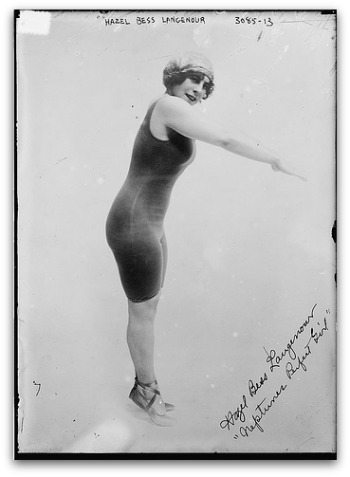
    ** The photo above is of Hazel B. Laugenour, “Neptune’s Perfect Girl,” 19yo college student & first woman to swim across the San Francisco Bay, in 1911. This is the picture of health. **

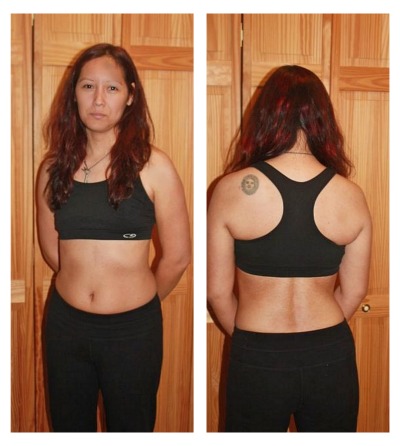
    ** But this is not. Lisa brought up Before & After Pictures, so I swallowed my pride and had Jeff take some Befores. I originally had on a yoga top, but we agreed that it hid my treetrunk waist too well. I also left the horrible lighting and whatnot alone (Jeff is not the world’s best photographer), figure I want Before to be pretty bad, right? Makes it easier to see some PROGRESS! **
  • Gardening for Wildlife (with giveaway!)

    Gardening for Wildlife (with giveaway!)

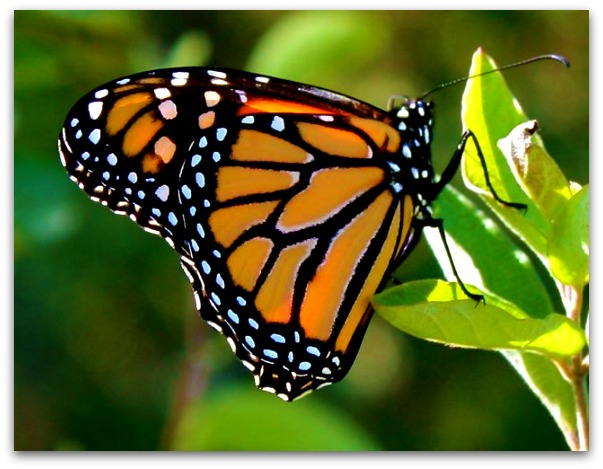
    butterfly

    The universe is full of magical things,
    patiently waiting for our wits to grow sharper.
    – Eden Phillpotts


    NOTE: I’m giving away a copy of the National Wildlife Federation’s Attracting Birds, Butterflies & Other Backyard Wildlife. Details are at the end of this post.

    Last week I talked about 13 great citizen science projects that kids can participate in, to foster a love & knowledge of the life all around us (while aiding researchers). To make those projects even more enjoyable & meaningful for your family, you might want to consider cultivating your garden with wildlife in mind. The better suited your property is to your local wildlife, the more wildlife will visit (and stay); the more for your kids to report!

    May is Garden for Wildlife Month, so I’m going to try to stay focused long enough to have our yard registered as a Certified Wildlife Habitat with the National Wildlife Foundation. It’s one of those things I’ve always meant to do… like, for over a decade.

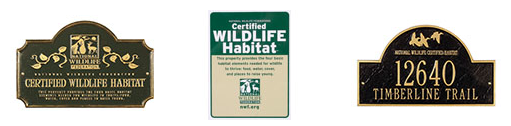
    When you certify in May, the NWF will plant a tree on your behalf; in addition, for a fee you can receive a sign to place in your yard signifying its habitat status. (Why does this matter? Because studies show that people are more likely to do good when they see others doing good. Your sign might inspire passers-by to garden for wildlife too!)

    certified habitat signs

    Think of your wildlife garden as a square in a patchwork quilt. Your neighbor’s yard, the next square over. Build the quilt in your mind to encompass your entire town, city, state.

    How many of those squares are taken up by hostile, barren environments like shopping malls, parking lots, interstates, power stations?
    How far does a hummingbird need to travel, from one nectar-providing oasis to the next? Is it any wonder that migratory animals encounter hardship? That many species of local wildlife are in decline?

    In so many ways making a difference for the planet is about fostering connections. Stand together or die alone, as the saying goes. How many people can you encourage and inspire to stitch a square onto your patchwork?


    Requirements to certify as a NWF wildlife habitat:


    Provide food for wildlife (need 3 elements):

    • seeds from a plant: remember to stick to native plants; your local wildlife has evolved to maximize nutrients from these plants. They are also more likely to do well in your climate (meaning less work for you).
    • berries & fruits
    • nectar & pollen
    • foliage/ twigs
    • nuts
    • sap
    • bird feeder/ suet feeder
    • squirrel feeder
    • hummingbird feeder
    • butterfly feeder

    We’ll have sunflowers up. We have a variety of nectar-bearing plants, a hummingbird feeder, a bird feeder, and a board mounted onto a downed log that we screw corn cobs onto for the squirrels and crows. We also have more foliage than you can shake a stick at, and wild raspberries and wineberries in late summer. (I don’t know if you can count those as a food source, though; the kids are pretty vigilant about picking the ripe ones themselves.)

    Provide water for wildlife (need one element):

    • birdbath
    • lake or stream; river; ocean
    • seasonal pool; spring
    • water garden/ pond
    • butterfly puddling area
    • rain garden

    We have a vernal (seasonal) pool— a more accurate description might be seasonal puddle & trickle— and a birdbath on our deck. We need to learn how to take better care of both so we’re not doing more harm than good.

    Provide shelter for wildlife (need 2 elements):

    • wooded area
    • bramble patch; dense shrubs or thicket
    • ground cover; meadow or prairie
    • rock pile or wall
    • evergreens
    • brush or log pile
    • water garden or pond
    • bird houses, bat boxes, bee shelters

    We’ve got this one covered: woods, brush piles, stick piles, evergreens, brambles (really just a forsythia that got overtaken by a stickerbush, but seemingly hundreds of birds hang out in there), the “pond”, bird houses. (I’m trying to convince Jeff to let part of the yard go to meadow but he seems to think that will invite the “wrong kind” of wildlife.)

    Provide a place for family time (need “at least 2 places for wildlife to engage in courtship behavior, mate, and then bear and raise their young”)

    • mature trees
    • meadow or prairie
    • nesting box (birdhouse)
    • host plants for caterpillars (good list here)
    • dead trees or snags
    • dense shrubs or thicket
    • water garden or pond
    • burrow

    We’ve got live trees and dead trees, shrubs, burrows, birdhouses, the pond if you want to count that (I’m not, since we’re going to be working on it and disturbing it). I think we have some milkweed that volunteers for the caterpillars, but I want to plant some more host plants just ’cause I like ’em.

    Garden in an Environmentally Friendly Way (need 2 elements):

    • Soil and Water Conservation
      capture rain water; xeriscape (water-wise landscaping with drought-tolerant plants); drip or soaker hose for irrigation; limit water use; reduce erosion (i.e. ground cover, terraces); mulch; rain garden
    • Controlling Exotic Species
      practice integrated pest management; remove invasive plants & animals; plant native plants; reduce lawn
    • Organic Practices
      eliminate chemical pesticides & fertilizers; compost

    Er. OK, Jeff bought organic soil and mulch (this is sort of a big deal, as I would never have said anything about it if he hadn’t. In fact, this tiny gesture meant more to me than I can ever say). He also has been yanking the never-ending garlic mustard. We have a compost pile and a worm farm, but fell off the composting wagon over the winter; I’ll try to get back on that. I’ll ask Jeff to make a rain barrel, since he’s always telling me that they’re too expensive and he can make one for nearly nothing. We conserve water, more out of a benign neglect than anything else 🙂


    And that’s it! We do qualify based on what we do already, but we’ll definitely try to do more. We’re mainly optimized for birds and squirrels (and deer, groan), but I’d like to see us being more hospitable to bees, butterflies, bats, frogs and toads.

    ———————————————————————————————-

    How are you gardening with wildlife in mind?

    ———————————————————————————————-


    GIVEAWAY! I have a copy of Attracting Birds, Butterflies & Other Backyard Wildlife (pictured above), by David Mizejewski, manager of the National Wildlife Federation’s Backyard Wildlife Habitat Program. This is my own personal copy, bought with my own monies. It is in used but Like New condition, with the exception of a little sticker gunk where the price sticker was on the cover.

    Leave me a comment telling me what bird, bug or animal you’d like to attract more of, for your chance to win!

    For a second entry, like my fan page on Facebook and leave a 2nd comment letting me know you did. (If you already like me 🙂 leave a comment to that effect.)

    **Must be a US mailing address. Winner will be chosen at random from all entries at noon on Sunday, May 15th.**

    Disclosure: I have no affiliation with the National Wildlife Federation and was not compensated or anything for this post. I just wanted to encourage everyone to garden for wildlife and thought, hey! Nice tie-in for a giveaway!